

In this article
The keyword that finds a buyer also finds a rival
A company that builds software for others uses the same words as a company that needs software built. Both post about deadlines, technical gaps, and team capacity, hire engineers, and talk about launches.
When Mach searches for software development leads, it finds both. Without a disqualification step, a research brief gets written for a company that sells what you sell.
Mach's checks stop that. They run before you spend on research, cost a fraction of a cent per post, and record the set-aside reason with the lead.
Checks before research opens
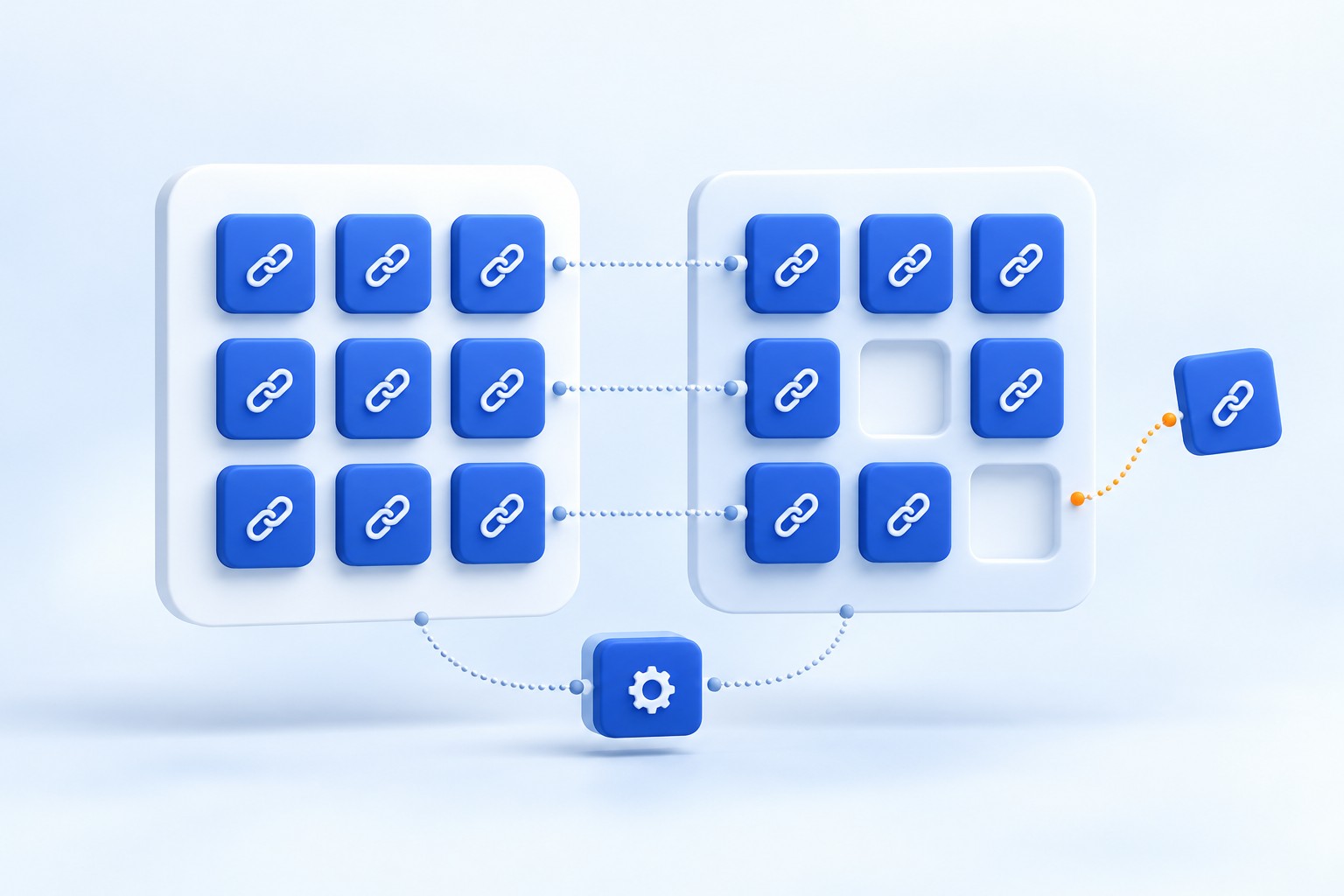
Mach grades each lead on eight checks. A lead that fails is set aside, and the reason is stored with that lead. This post looks at four of them: seller identity, a dated signal, someone to reach, and whether the company is already a customer.
Seller identity asks whether the company sells software services to others or uses software to run its own work. A rival is not a buyer.
Dated signal asks whether a specific event, a hiring burst, a launch delay, or a public problem, gives a reason for the outreach. A general company profile with no event does not.
Someone to reach asks whether there is a named person Mach can reach. Research without a contact is incomplete, because it produces a brief nobody can use.
Existing customer. Mach leaves customers out before it judges a lead.
The seller check matters most
The seller check reads the company's own description, recent posts, and how it talks about its work. A company that describes building software for others is a seller. A company that describes using software to run its own operations is a buyer.
The reading is not always clean. A custom software shop that also uses off-the-shelf tools can look like a buyer for part of its stack. Mach scores how likely a company is to sell what you sell, from 0 to 1. Under 0.4 passes. From 0.4 up, the lead is set aside as 'May be selling it themselves'. Hiring bursts are cut at 0.55.
In our lead searches, around a third of all posts from software development contexts fail the seller check at 0.6 or above. Another tenth sit in the middle band. That leaves a little over half as clear buyers with no seller signal.
The seller check needs a model to read the company's content rather than a stored field. It is also the most important check, because a research brief written for a rival cannot be repurposed.
A dated signal is also needed
Mach treats a signal as dated when it is tied to a specific event with a day. A job posting for an engineer to fix a specific integration is a signal. A general statement about needing technical help is not.
A real buyer with no active signal is the wrong target for now, though not forever. Mach sets a lead whose signal is too old aside as 'too old', which filters genuine buyers who have no current reason for outreach.
A signal-less buyer on a contacted list dilutes the relevance of the outreach. A message without a reason is harder to answer and harder to route back to the right person on your team.
Someone to reach, and no customers
Full account research takes several minutes and usually costs between 50 cents and about a dollar per company, depending on the sources Mach needs to read. Running it for a company with no one to reach wastes that spend entirely.
Mach checks whether it can find a person to reach before it marks a lead Reach out now. If it cannot find anyone, it sets the lead aside with the reason 'No one to reach'.
Mach leaves out current customers before it judges a lead, so they never reach research. Opted-out people are blocked at send time.
Before the first run
Before running Mach on any software development list, write your seller definition by comparing what a rival's website says about its work with what a buyer's says. They often look similar, so the seller check needs your definition as well as industry keywords.
Set the ICP size and geography parameters before the run, because adjusting ICP parameters mid-run changes how old leads score and makes comparisons across runs unreliable.
After the first run, look at the rejection breakdown by category. The category with the most rejections is the one most worth examining. A high seller rejection rate usually means the keyword list is too broad. A high signal rejection rate usually means the search terms are catching companies at the wrong stage.