
In this article
What full research actually costs
Full account research on a software company involves reading the company's website, recent news, LinkedIn presence, job postings, and any public product information. On a complex account, this takes several minutes and usually costs between 50 cents and about a dollar in model calls. Mach stops a run at 2 dollars.
Across a list of five hundred companies, that adds up to hundreds of dollars, and it produces five hundred research briefs. If the list quality is poor, most of those briefs describe companies that will never buy.
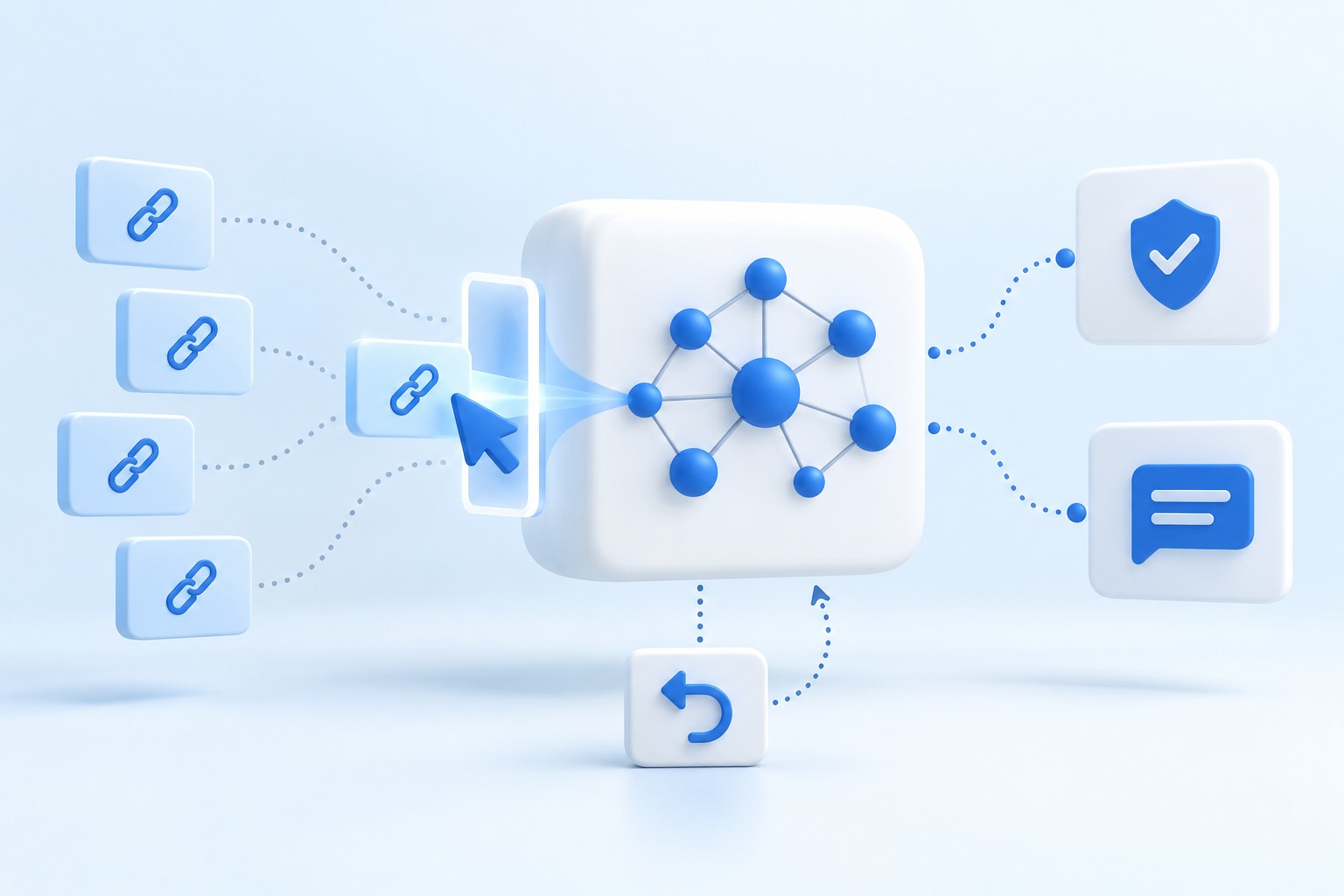
Mach's lead checks exist to prevent that. Judging a post costs between a tenth and a third of a cent, and research starts only when a person presses Add.
ICP fit is scored from what Mach knows
Mach scores how well a company fits your stored ideal customer profile. It reads industry, size, region, business model, tools and situation. A company that does not match on any of these will not be a good fit regardless of what the research finds.
The score runs from 0 to 100. Mach answers from the account fields it already has and asks a model about the facts it lacks. The score is worked out during research, not before it.
If many companies are failing the ICP check, the search terms are pulling in companies outside your market. Narrow the search instead of widening the ICP.
The signal must be present and dated
The signal check asks whether there is a recent public event that gives a reason for outreach. An ICP-matching company with no signal is a future prospect. Research now does not improve the chance of a good outreach.
How long a signal counts as current depends on its kind: 30 days for a post, 90 for a job ad, 180 for a funding round. A lead whose signal is too old is set aside as 'too old'.
The signal check can need a model to read a post. It still costs far less than a full research run.
Research without a contact is incomplete
A research brief for a company with no contactable person has nowhere to go. The brief describes the company in detail, but the outreach cannot start because there is no one to send it to.
Mach checks whether it can find a person to reach before it marks a lead Reach out now. If it cannot find anyone, it sets the lead aside as 'No one to reach'. Mach grades the lead again only when its grading rules change, not when a person turns up.
A company that consistently fails the contact check is not necessarily a bad target. It may be that the data source being used does not cover that type of company well. The fix is a different source.
Customers are left out before judging
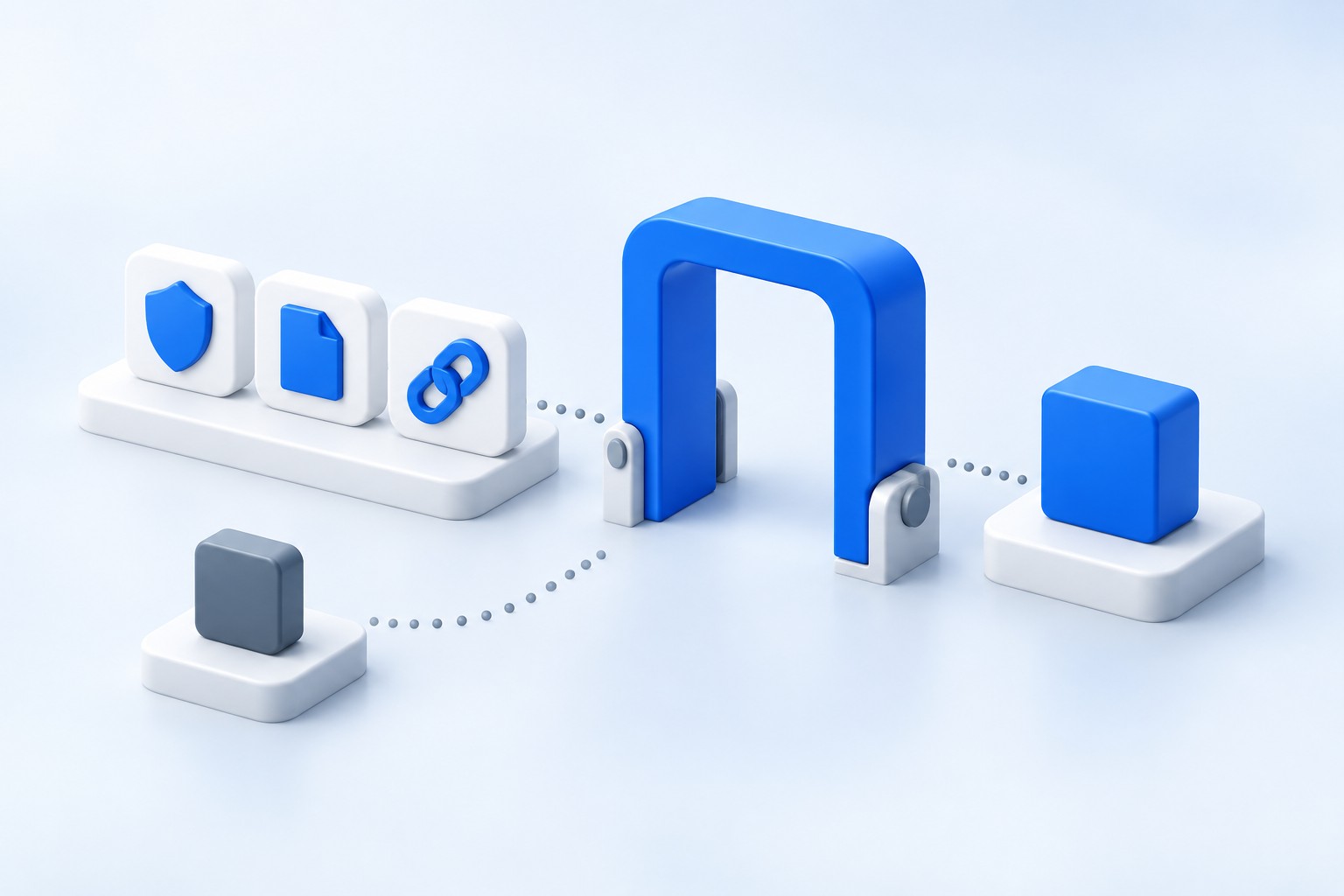
Mach leaves out current customers before it judges a lead, and it refuses to add a customer or a company with an open deal. Opted-out people are blocked when you send.
A company that is already a customer never reaches your list of leads. A person who opted out is blocked at send time, not before research.
Because customers are left out first, the costlier judging never runs on them.
Before the first run
Before the first run on a new list, review your ICP in the Brain. How long a signal stays live is fixed in Mach, by kind of signal. Current customers are left out before Mach judges a lead.
After the first run, compare the number of leads set aside for each reason. A reason that accounts for most of them usually means the search terms or the input list have a quality problem.
Reviewing the research briefs that do come through is still your job. The checks set aside the most obvious mismatches, and a person reading the brief settles the subtler ICP and fit questions.