
In this article
Find the work you keep doing twice
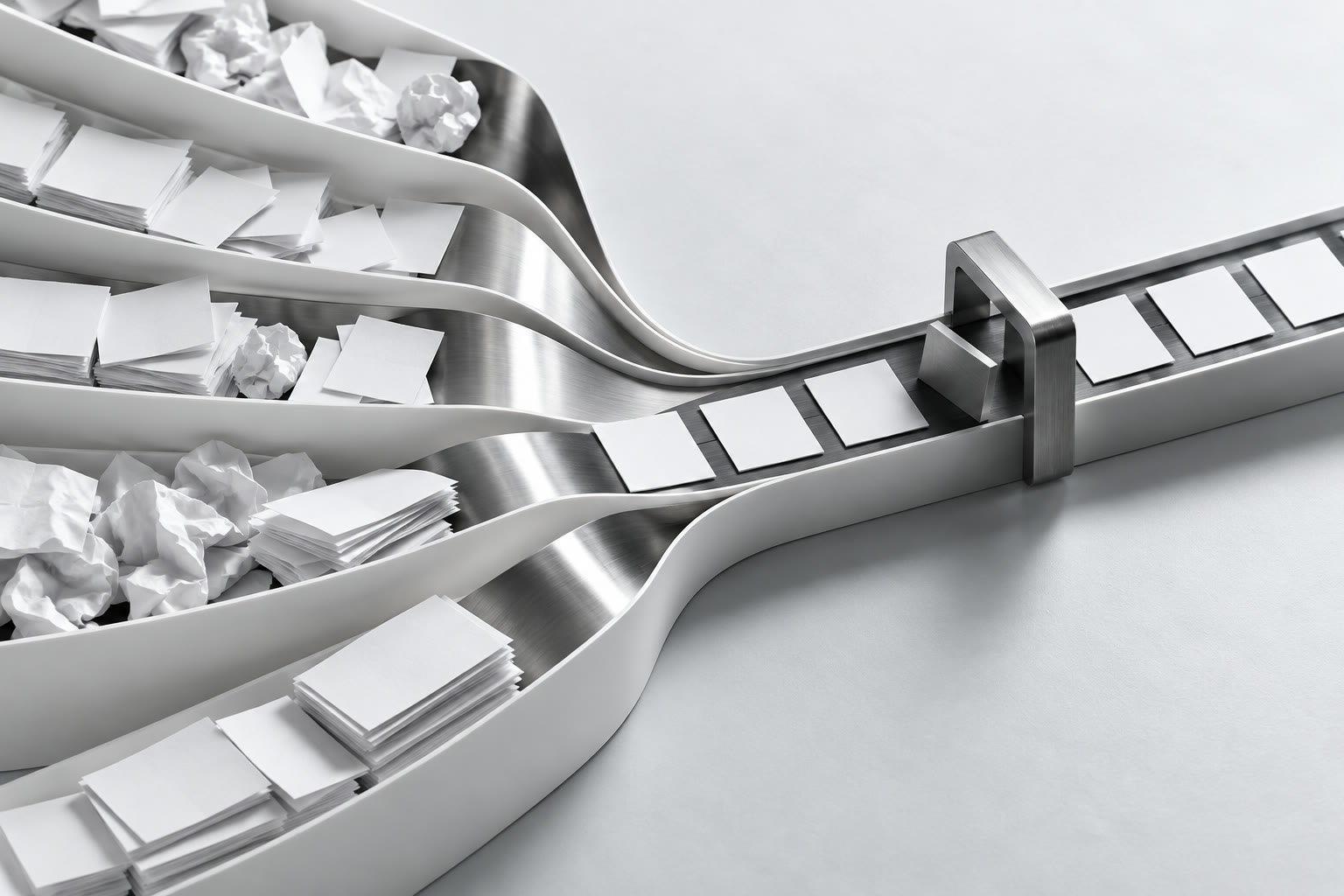
Your next sales hire should not spend Friday fixing work a tool did on Tuesday. Before you automate, find the repeated task that holds up when checked.
Sales automation can cover record updates, task routing and draft writing. These are examples of the field, not a promise that one product does them all. [1]
For a small team selling to businesses, start with a short work log. Ask each rep to note repeated work for five working days. This is a suggested exercise, not a benchmark.
Write down the input, the finished result and who checks it. Include the minutes spent fixing names, opening sources and throwing away bad drafts.
A task like "prepare a company brief" is still too broad. "Collect dated sources for ten named banks" is tighter. A rep can check it without trusting a score.
Look for work that comes up often and has a clear finish. Keep the original input, so you can compare a trial with the manual way.
Choose a task with a clear finish
Do not start by ranking tools. Rank your own work by how often it repeats, how hard it is to check and what a mistake costs.
The table below is our suggested starting order. It is a planning aid, not a measured ranking or a list of Mach features.
| Task to try | Check before accepting it | Keep with a person |
|---|---|---|
| Collect account evidence | Original source, date and correct company | Whether the evidence changes the sales decision |
| Prepare a first draft | Recipient, supported claim and relevant reason | Approval, promises and sensitive wording |
| Create a seller reminder | Owner, due date and duplicate tasks | Whether the action is still appropriate |
| Run a follow-up step | Review rule, sender limits and reply check | The buyer answer and meeting arrangement |
| Change a deal or quote | Written authority and allowed fields | Commercial judgment and unapproved changes |
A reminder with the wrong owner wastes time. A wrong price sent to a buyer can cost a deal. Those actions need different controls.
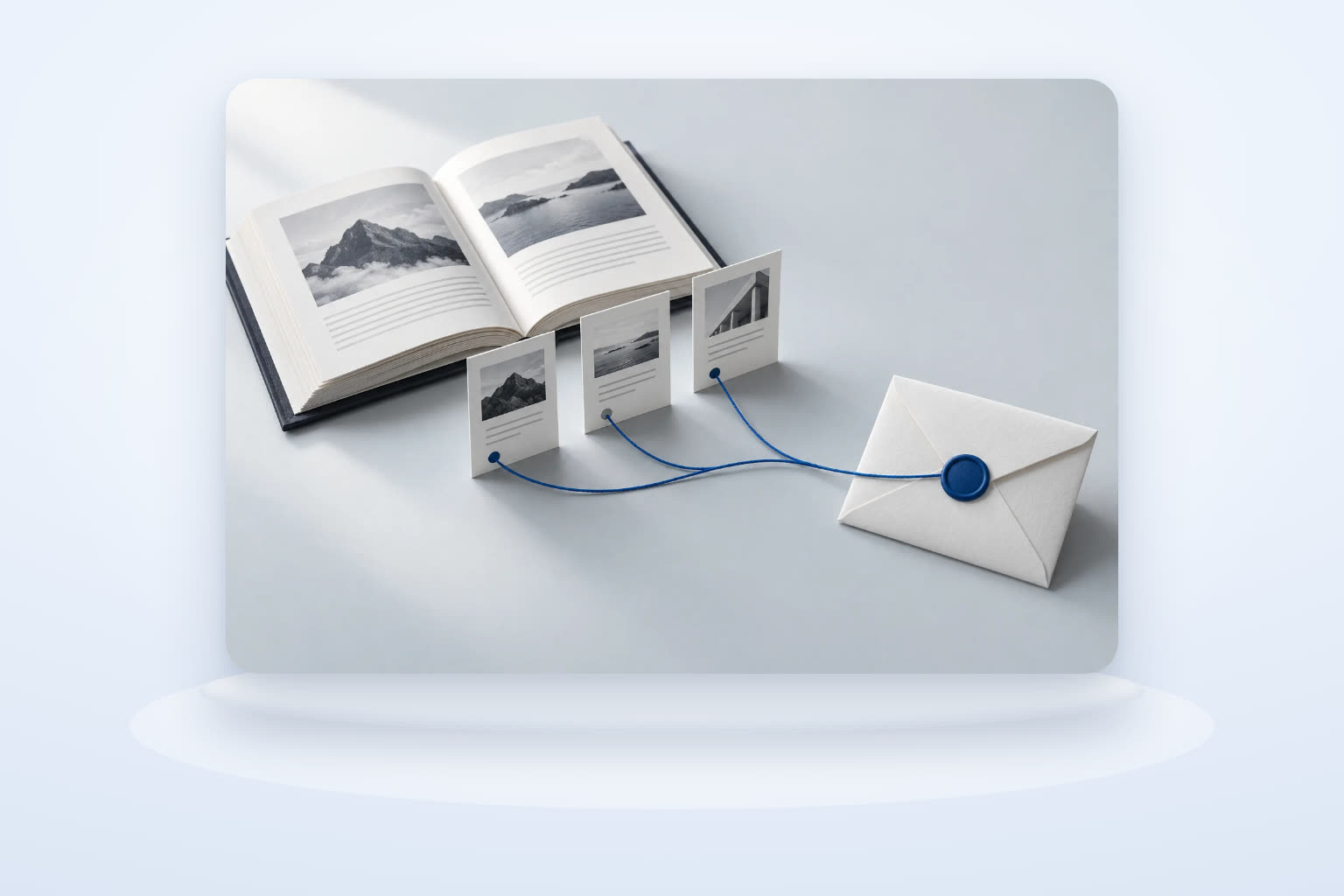
Drafting is a good first task when a person already checks each message. Research is a good first task when each finding keeps its source and date.
If the result is hard to check, narrow the task again. Pulling out a dated fact is easier to check than deciding a company will buy.
Check the manual way the same way. A busy rep makes mistakes too. Compare accepted work, and do not assume either way starts perfect.
Give the trial one owner
Here is a made-up example. Tarang Labs is a small software team in Pune. It sells a loan follow-up product to US community banks.
Ananya Rao is the founder. Jamie Carter handles sales conversations. Nina Patel is a sales rep. Their task is to prepare company briefs, not to send more messages.
Ananya picks ten banks the team already knows. Jamie checks each brief against the original pages. Nina notes whether the suggested problem matches what Tarang Labs really sells.
They agree that a claim with no source fails the brief. A missing fact can stay unknown. A brief is useful when it helps Jamie choose his next question.
This trial does not prove a higher reply rate. It tests whether preparing briefs saves work without making the reps less accurate.
Mach isn't open yet. When it is, start with company research and check its evidence. If the real delay comes later, use the writing example to check drafts instead.
Count setup and fixes before claiming a saving
Say the team prepares 40 briefs in a trial. Every number in this example is made up, including the time and the hourly value.
By hand, each accepted brief takes ten minutes, or 400 minutes in all. With help, each needs four minutes of checking, or 160 minutes.
Setup takes 90 minutes. Fixing bad work adds another 30. So the total with help is 280 minutes, which saves 120 minutes.
At an assumed $40 an hour, that time is worth $80. This is a planning number, not revenue, cash saved or a Mach price.
Subtract the full software and usage costs before you claim a gain. If those costs are more than $80, this trial has not paid off.
Do not spread setup across future work that has not happened. Keep one-time costs visible, and redo the sums with the next real batch.
Our total-cost guide separates spending from accepted results. Use it when a faster draft starts to look cheaper than it is.
Write the stop rule before the next step
A good research trial does not prove it is safe to send unwatched. Sending raises the cost of a mistake and needs its own check.
Before a follow-up runs, name the person, the wait and the check rule. Say what happens after a reply or an opt-out, a request to stop emails.
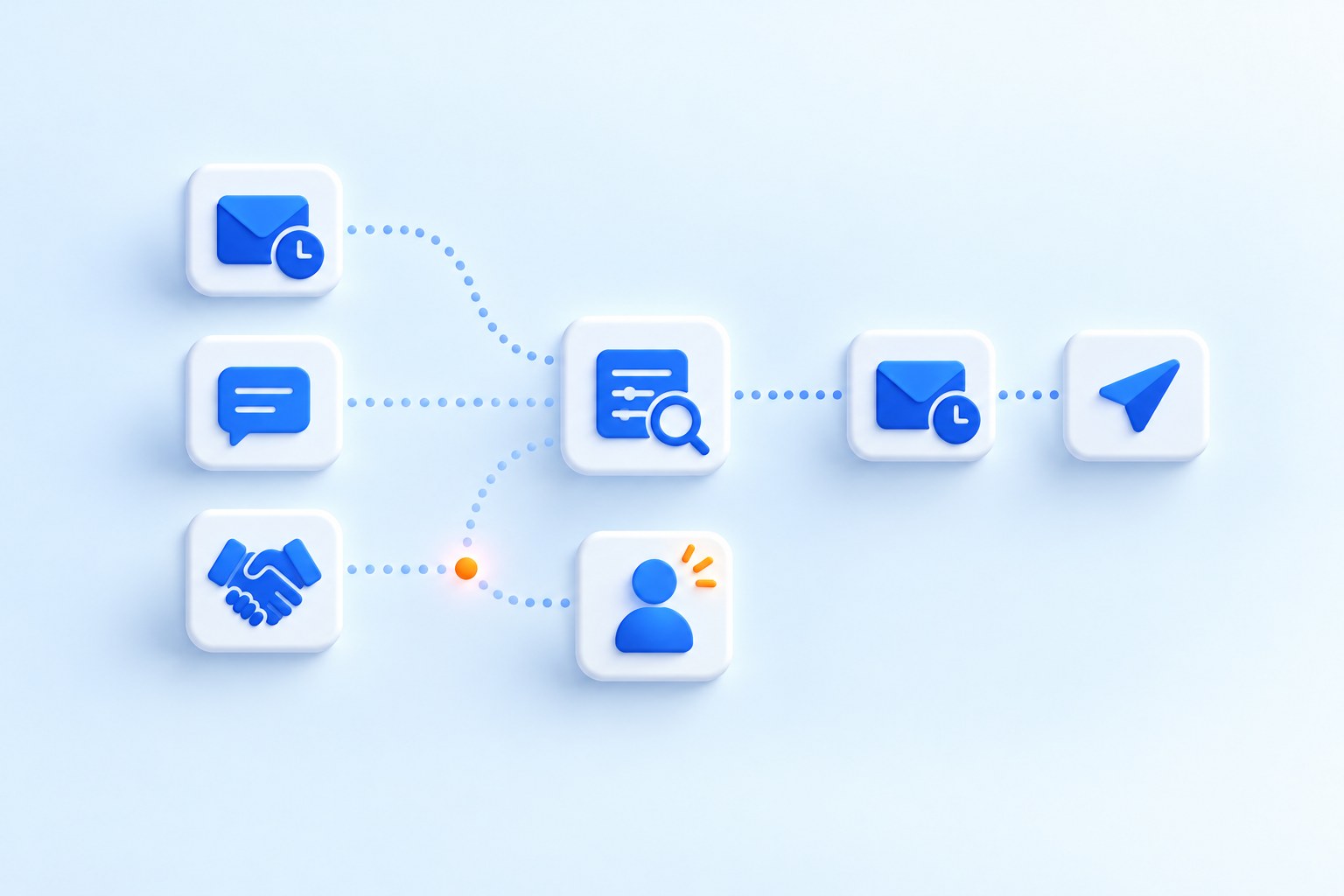
In Mach, playbooks hold actions, waits and decisions. You choose how drafts are checked before you start. Sending only works on routes your workspace has connected and turned on.
Mach sends from a separate address, so your main domain stays safe. Or from your own mailbox, up to 50 a day. Actions Mach cannot do become tasks for your reps.
A real reply stops that person's steps and gives your rep a task to answer. Your team replies and sets up the meeting. A good test run is not permission to make promises.
Test a quiet company and a company that replied before you widen the list. Check the steps actually waiting to run, not just a label that says stopped.
The follow-up and handoff guide explains this line in more detail. Keep that decision apart from your first task trial.
Expand only after the result holds
The mistake to avoid is treating every repeated action as equally safe to automate. How often a task happens does not tell you what a mistake costs.
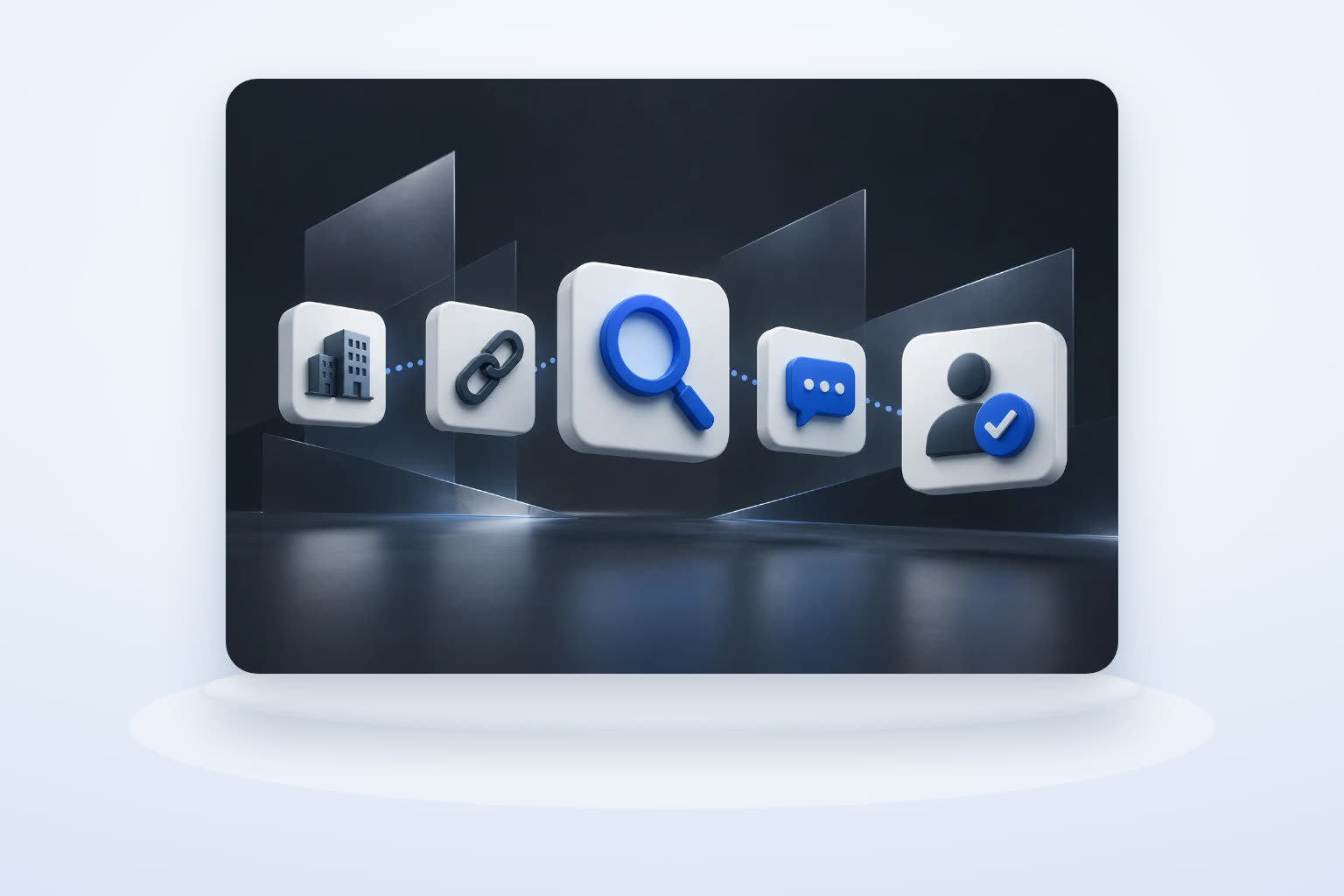
Our website covers research, writing and playbooks separately. This guide links those jobs, without claiming success in one proves the others.
At the review, keep the failed briefs beside the accepted ones. Note what needed fixing and whether the same error came up twice.
If checking eats the saving, narrow the job. If sources are wrong, fix research before changing the message. If ownership is unclear, fix the handoff before sending.
Before you connect another tool, map who owns records and who owns outreach. A faster step still needs a clear home for its result.
Method: background on the field comes from the linked source. The checklist, the five-day exercise and the Tarang Labs trial are our own advice and made-up examples.
Choose one repeated task today. Write down its accepted result, owner and stop rule before you open another tool.
Common questions
Should we automate cold email sending first?
Not by default. Sending is where a mistake reaches a buyer. Prove the research and the drafts first, then add sending with its own limits.
How many companies should a first trial include?
Few enough that your team can check every one. Ten is a workable start, but it is not a valid benchmark.