
In this article
The reply stops the run
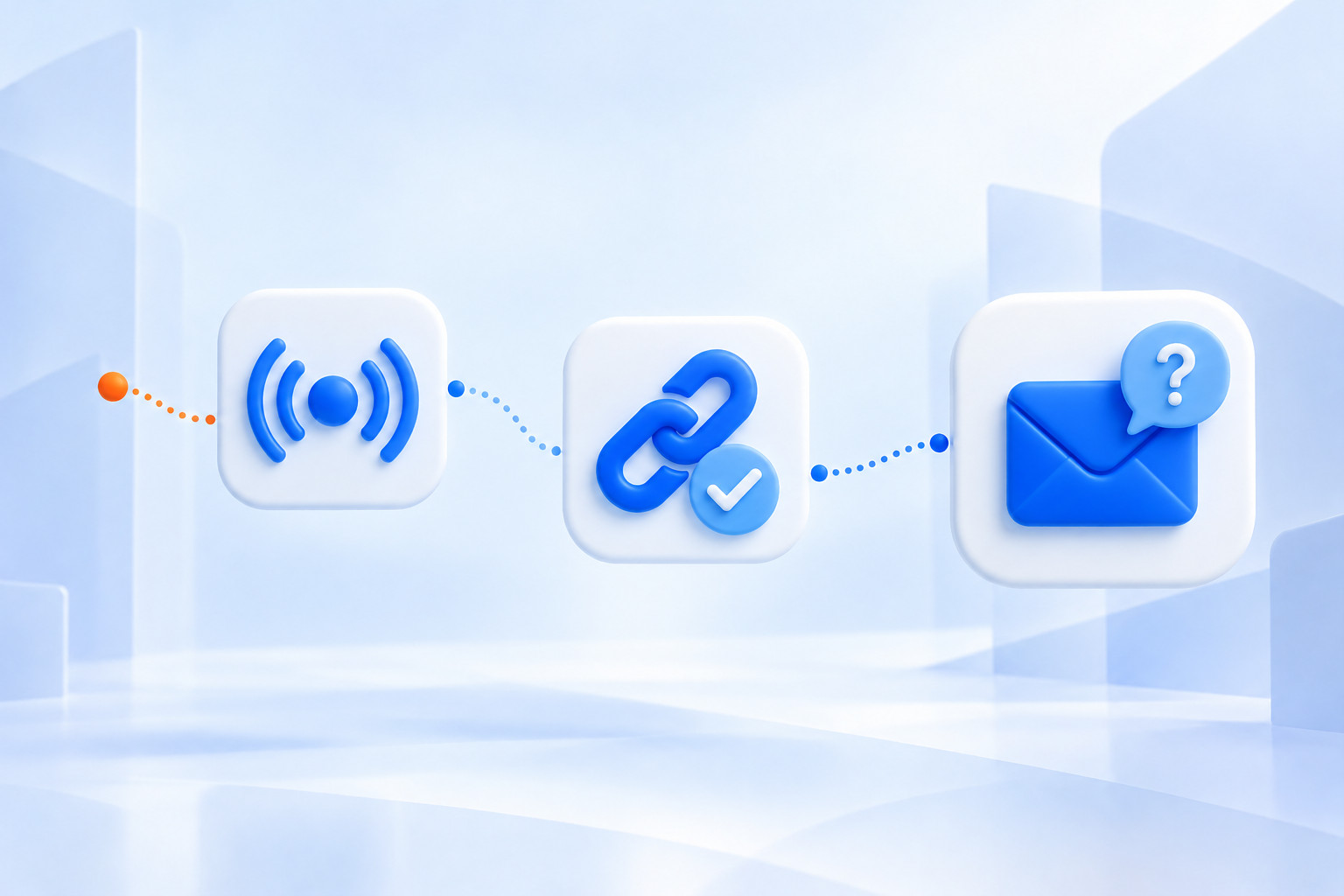
A reply stops the playbook run only for that person's sequence, and leaves the company and its other contacts alone.
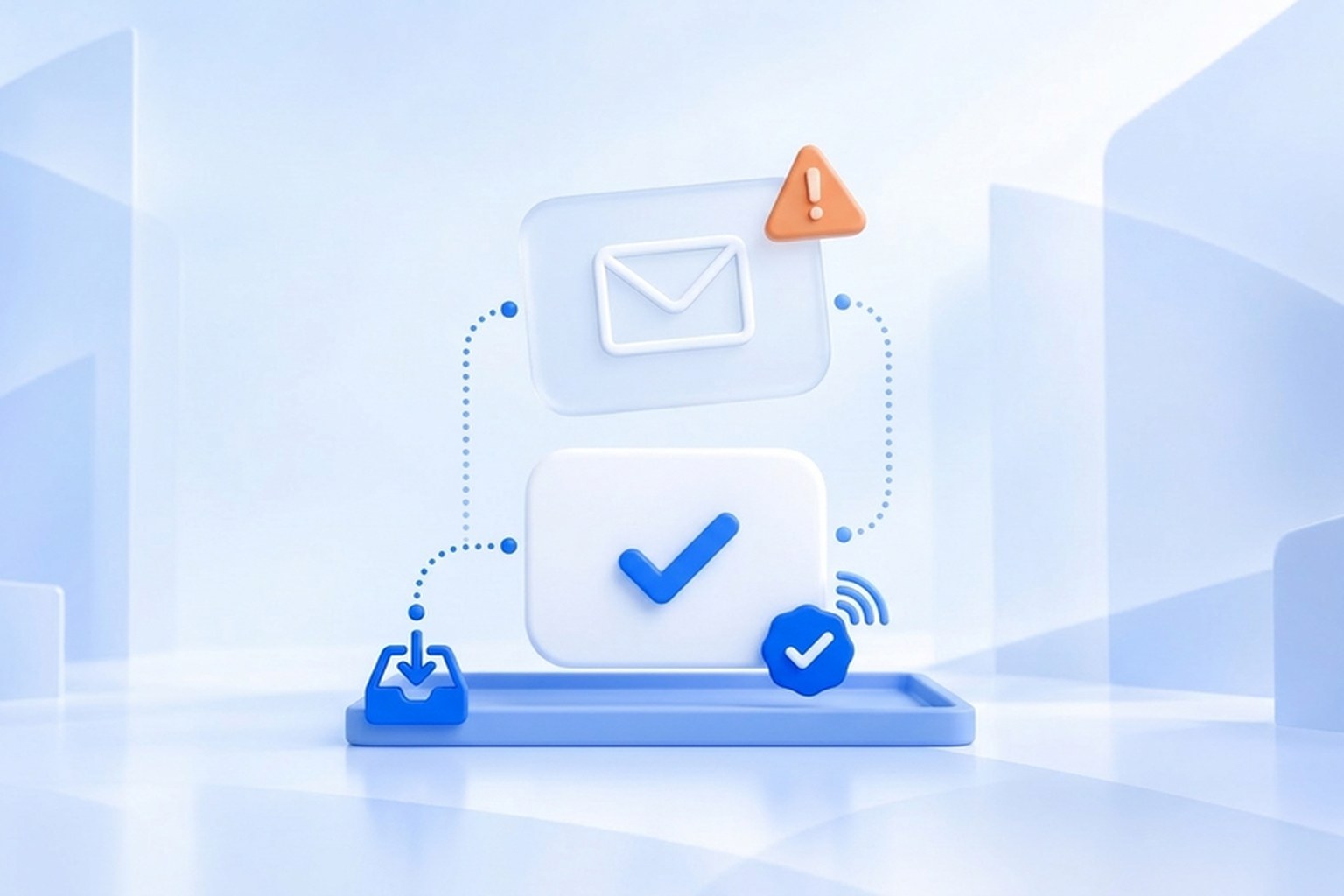
Mach skips every step still waiting for that person, so none of them send. Treat the reply as arriving before the next planned message.
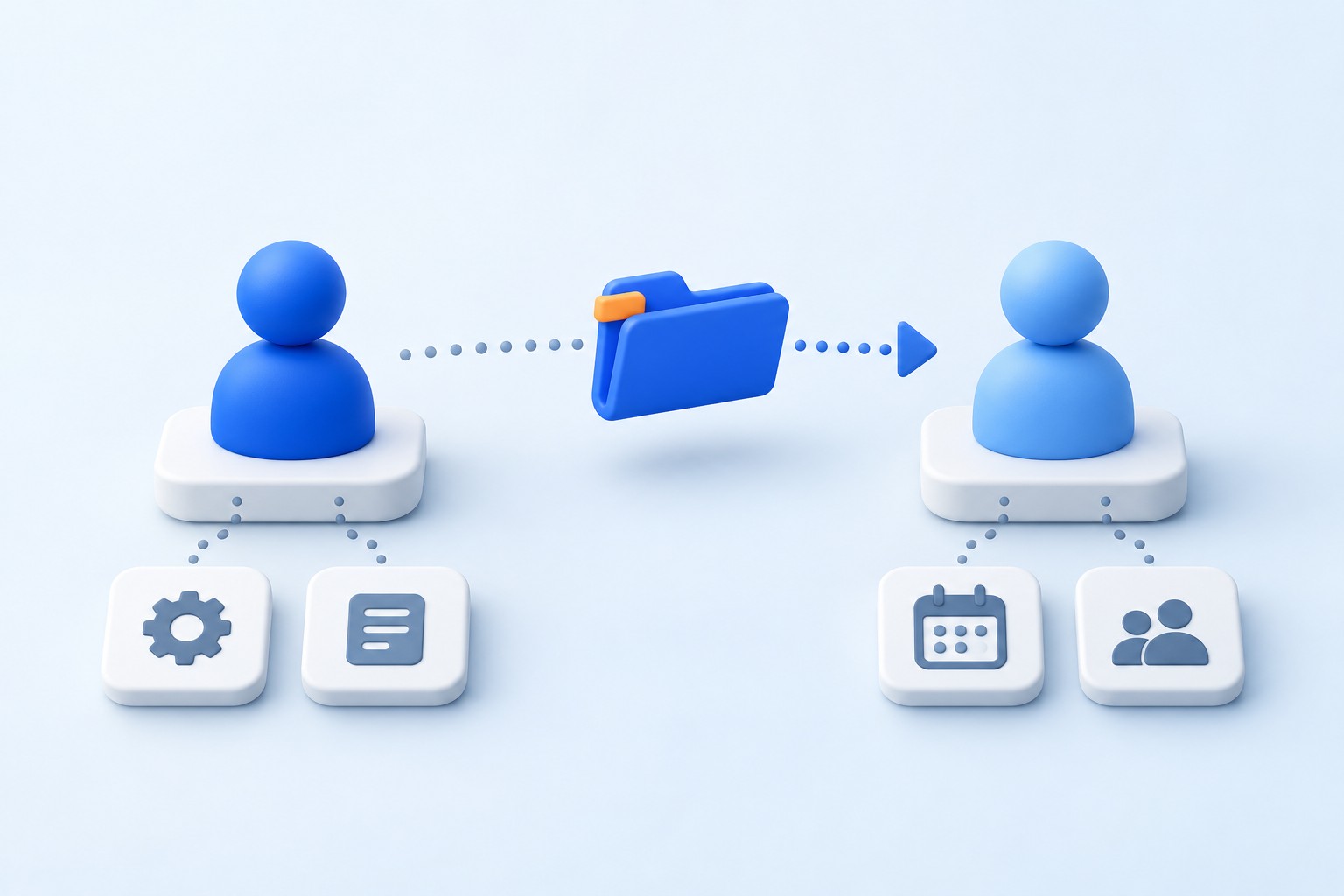
What Mach does next is a handoff, and the next action belongs to a person on your team.
The research brief is where the context lives
The account research brief is where the context for the reply lives. It contains what Mach found when it researched the company: the ICP fit, the signal that triggered the outreach, and the key facts about the company and the contact. The task Mach creates has a subject only, so the brief is not attached to it. Open the person in Mach to read the brief.
The brief is the same one your team approved before the outreach started. If the brief was thin, the handoff reflects that. If the brief had a good signal and a clear verdict, your team has context to act on.
Read the brief before you answer, so your reply starts from what was known when the outreach was approved.
The conversation thread
Mach keeps the conversation with each person: every message your team sent and the replies received. Read it before you answer.
A draft that was planned next is skipped when the person replies, so it will not send. A reply usually changes what the next step should be, so write the next message fresh.
Skipping the queued draft avoids two messages going out in close succession, one manual and one queued, a common failure when handoffs are unclear.
Why the outreach started, and where to find it
The reason the outreach started is in the brief: which signal triggered research on this company, what date the signal appeared, and what the brief concluded about fit. The reply task does not repeat it.
When the reply arrives weeks after the outreach began, the person reading it may not remember why the sequence started. The brief gives them the context to answer.
The reason is the originating signal and the fit verdict. The conversation summary is in the thread.
What the handoff does not include
The handoff does not decide for your team, schedule a meeting or move the company to a different stage. Mach can draft a suggested answer to a reply, but it sends only when you approve it. The rest are judgment calls.
Mach does not book meetings. Your team reads the reply, decides what it means, and writes the answer. The handoff supplies the context for that decision and does not make it.
If the reply is a question Mach could technically answer, the answer still needs a person's sign-off. Price, timelines, and what the product does for their specific case are not things Mach answers without approval.
Before the run, decide who reads the first reply
Before every campaign run, name the person who owns the first reply. Without that assignment, the handoff sits in the inbox of whoever happened to be watching.
Test the handoff flow before the run starts. Send a test reply from a known address and verify that the run ends, the queued steps are skipped, and the reply owner is notified.
After the first reply from a real prospect, ask whether the handoff had what was needed. If the brief was thin or the signal was unclear, the brief quality is what needs fixing, so leave the handoff format alone.